Care After Minor Oral Surgery
Care After Minor Oral Surgery
After minor oral surgery, you may experience some pain, bleeding and swelling. This section will offer some advice on how to deal with these problems. Your dentist or oral and maxillofacial surgeon will give you advice, too.
An oral and maxillofacial surgeon is a dental specialist with at least four years of extra university training in this area, they are the best person to discuss your issues, questions, concerns and comments with.
Please note that these are major areas of concern and you should call your dentist or oral surgeon immediately:
Before oral surgery, the dentist or oral surgeon will give you a "freezing" or local anesthetic to numb the area of your mouth that is to be treated. The length of time your mouth stays numb will depend on the type of freezing or anesthetic used and the amount of it. After your mouth is numb, be careful not to bite down on your cheek, lip or tongue. If you are having a type of freezing that puts you to sleep, called a generic anesthetic, your dentist or oral surgeon will give you other directions that you must follow before and after your surgery.
The numbness will typically go away within a few hours. When the numbness wears off, it is normal to experience some pain. You will experience some pain in the first 24-48 hours after your surgery. Some soreness or discomfort at the site of the surgery may last for three to five days. The amount of discomfort will depend on the kind of surgery you have, how healthy you are and in general how active you are.
If you are running around and working, you may feel more discomfort. It's best to rest. Your dentist or oral surgeon may prescribe painkillers to dull the pain. This type of medicine is called an analgesic. They may also prescribe medicine to help prevent infection, this is called an antibiotic.
Relieve Bleeding
Your dentist or oral surgeon will place a gauze pad to cut down on the amount of bleeding while the blood clots. This gauze pad should be left in place for an hour after leaving your dentist's or oral surgeon's office. Press firmly on the pad with your teeth but do not chew on it.
You will probably bleed for the first one to two hours after surgery. The area might continue to ooze for up to 24 hours. Do not be alarmed if it looks like you are bleeding a lot. Blood and saliva tend to mix together in your mouth and it makes it look like a lot more bleeding is actually occurring. If after four hours, you cannot control the bleeding by pressing firmly on the gauze pad, call your dentist or oral surgeon.
Swelling after Oral Surgery / Sore Jaw
Depending on the individual, your face might swell up for the first 24 hours after oral surgery. Swelling could last for five to seven days. Once the swelling starts to go down, your face might bruise. The bruising can last up to 10 days after your surgery.
Another symptom that could develop after oral surgery is that your jaw muscles could be sore and it may be difficult to open your mouth for seven to ten days. Your jaw muscles might become stiff or sore from holding your mouth open during surgery.
Your Next Smile
Starts Right Here.
Reach out to our Brampton concierge team to schedule your visit — new patients, transfers, and CDCP coverage all welcome.
Explore Other Dental Education Concepts
Bonding & Veneers
Two proven, non-surgical ways to restore a complete, functional smile.
Learn More arrow_forward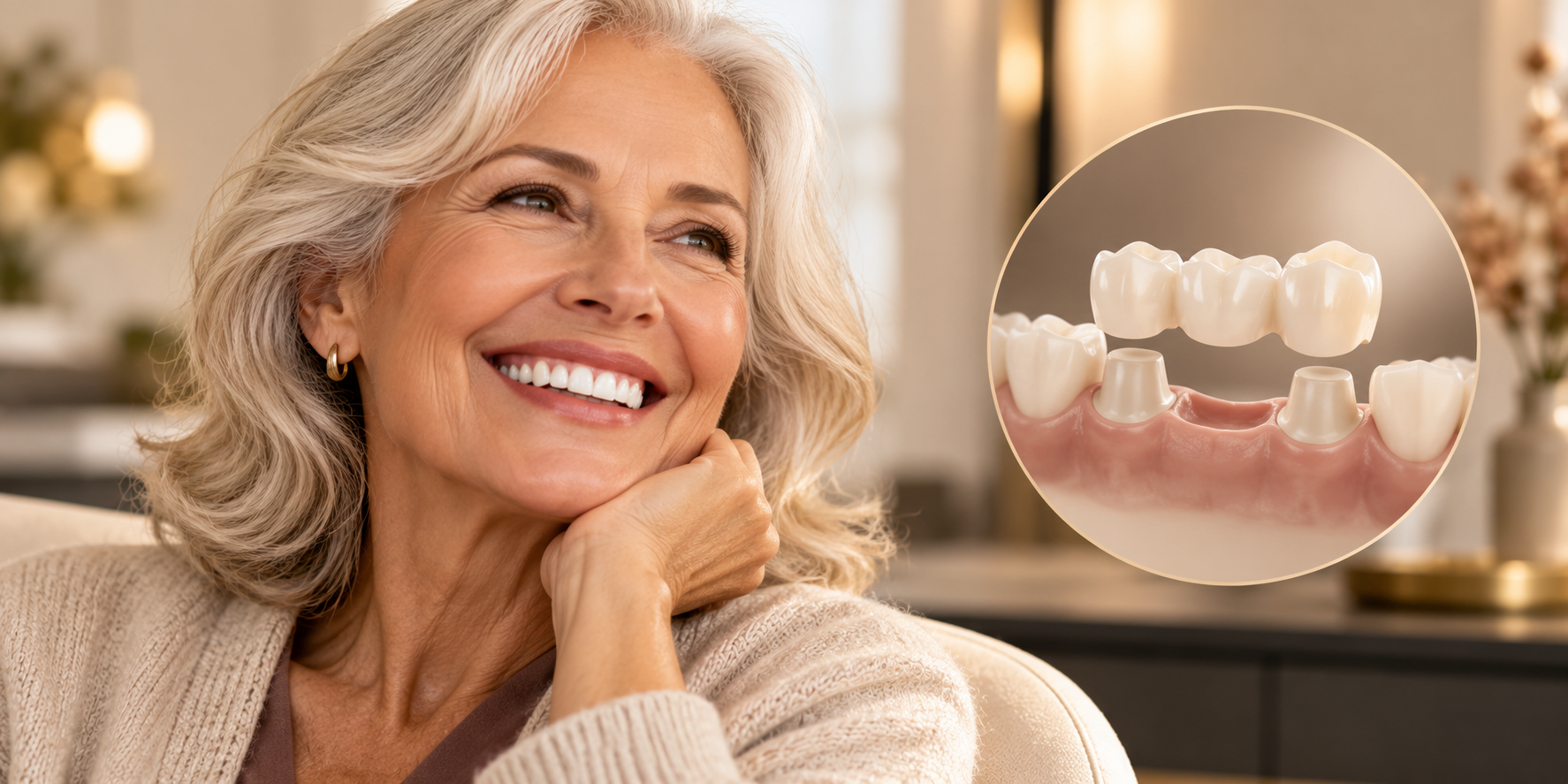
Bridges & Dentures Replacing Missing Teeth
Two proven, non-surgical ways to restore a complete, functional smile.
Learn More arrow_forward
Care After Minor Oral Surgery
What to expect — and how to recover comfortably — after an extraction or similar procedure.
Learn More arrow_forward
Caring for Your Teeth & Gums
The daily habits that keep your whole mouth healthy, not just your teeth.
Learn More arrow_forward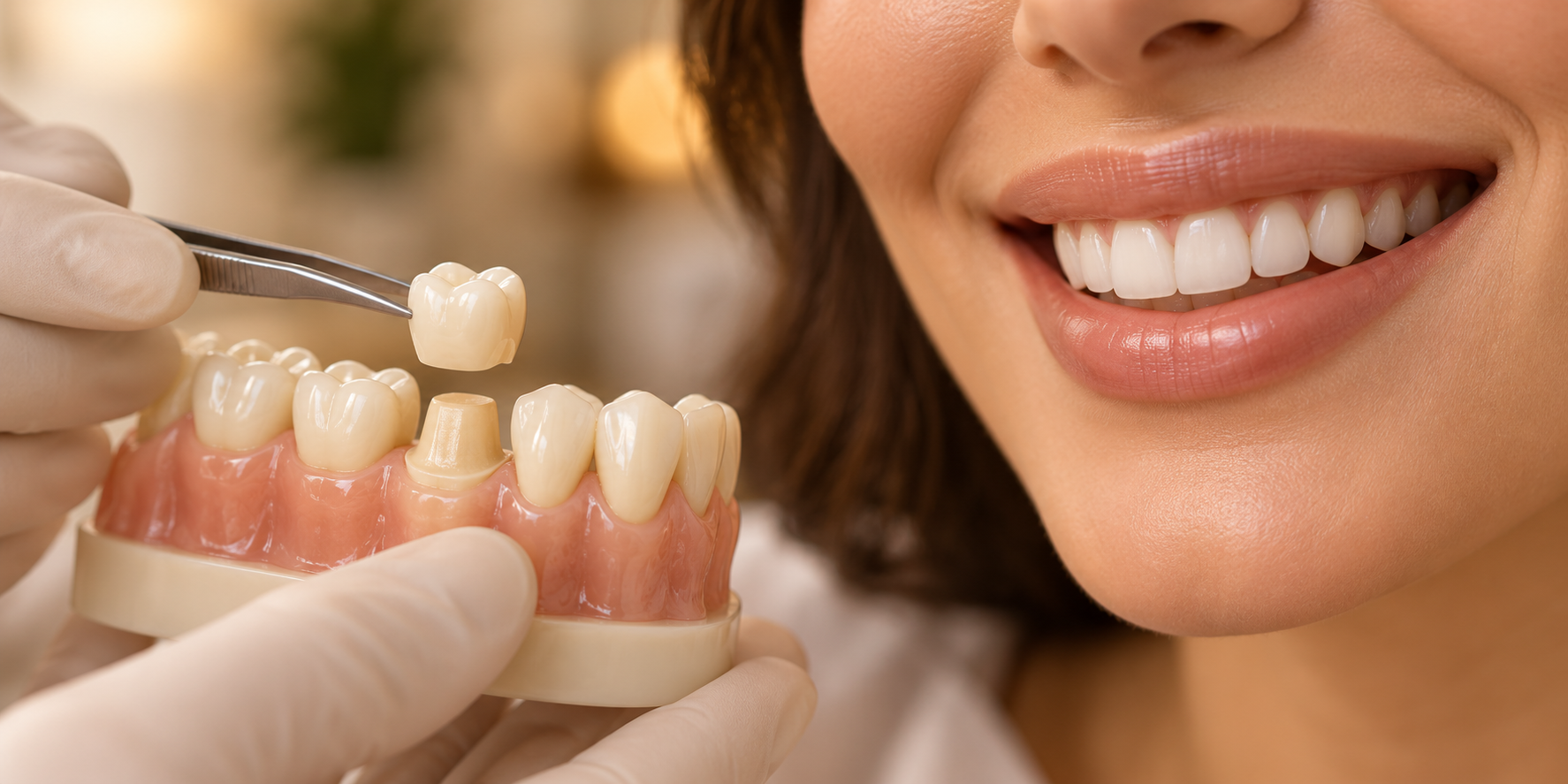
Crowns Restoring Damaged Teeth
How a custom cap brings a cracked, worn, or heavily filled tooth back to full strength.
Learn More arrow_forward
Dental Implants Replacing Missing Teeth
How a titanium root replacement gives you back a permanent, natural-feeling tooth.
Learn More arrow_forward
Dental Safety & Emergencies
Knowing what to do in the first few minutes of a dental emergency can save a tooth.
Learn More arrow_forward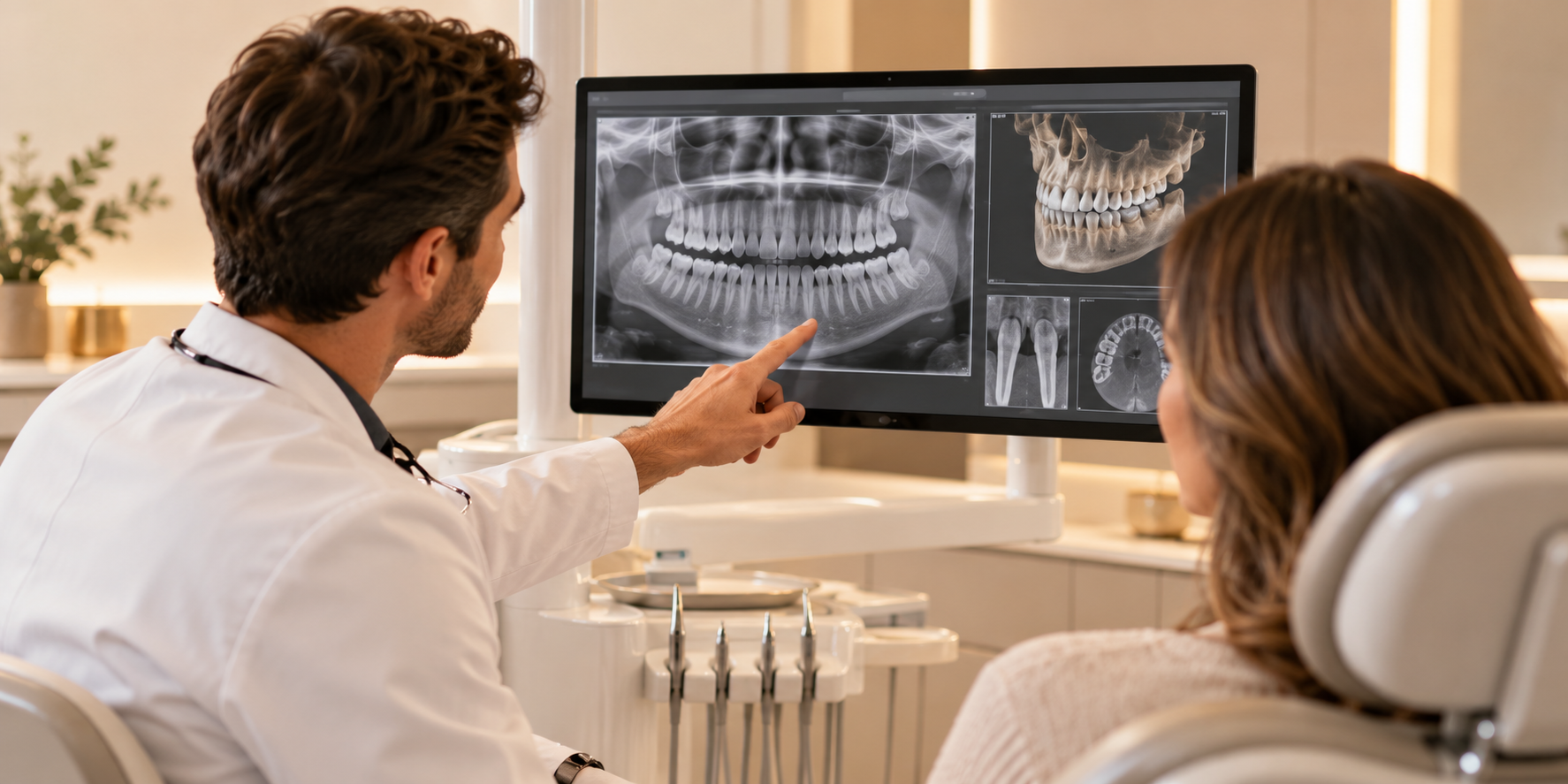
Good Dental X-rays
Why digital X-rays are a safe, essential tool for catching problems you can't see.
Learn More arrow_forward
Should I get a Dental Checkup?
Why a routine checkup matters even when nothing seems wrong.
Learn More arrow_forward
Food & Children's Oral Health
How everyday diet choices shape a child's long-term dental health.
Learn More arrow_forward
Gum Disease Preventing Tooth Loss
Catching gum disease early is the key to protecting the teeth it threatens.
Learn More arrow_forward
Hidden Threats to Your Oral Health
Everyday habits and conditions that quietly damage your teeth without obvious warning signs.
Learn More arrow_forward
Orthodontics at Any Age
Straightening your teeth isn't just for teens — adult orthodontics is more common, and more discreet, than ever.
Learn More arrow_forward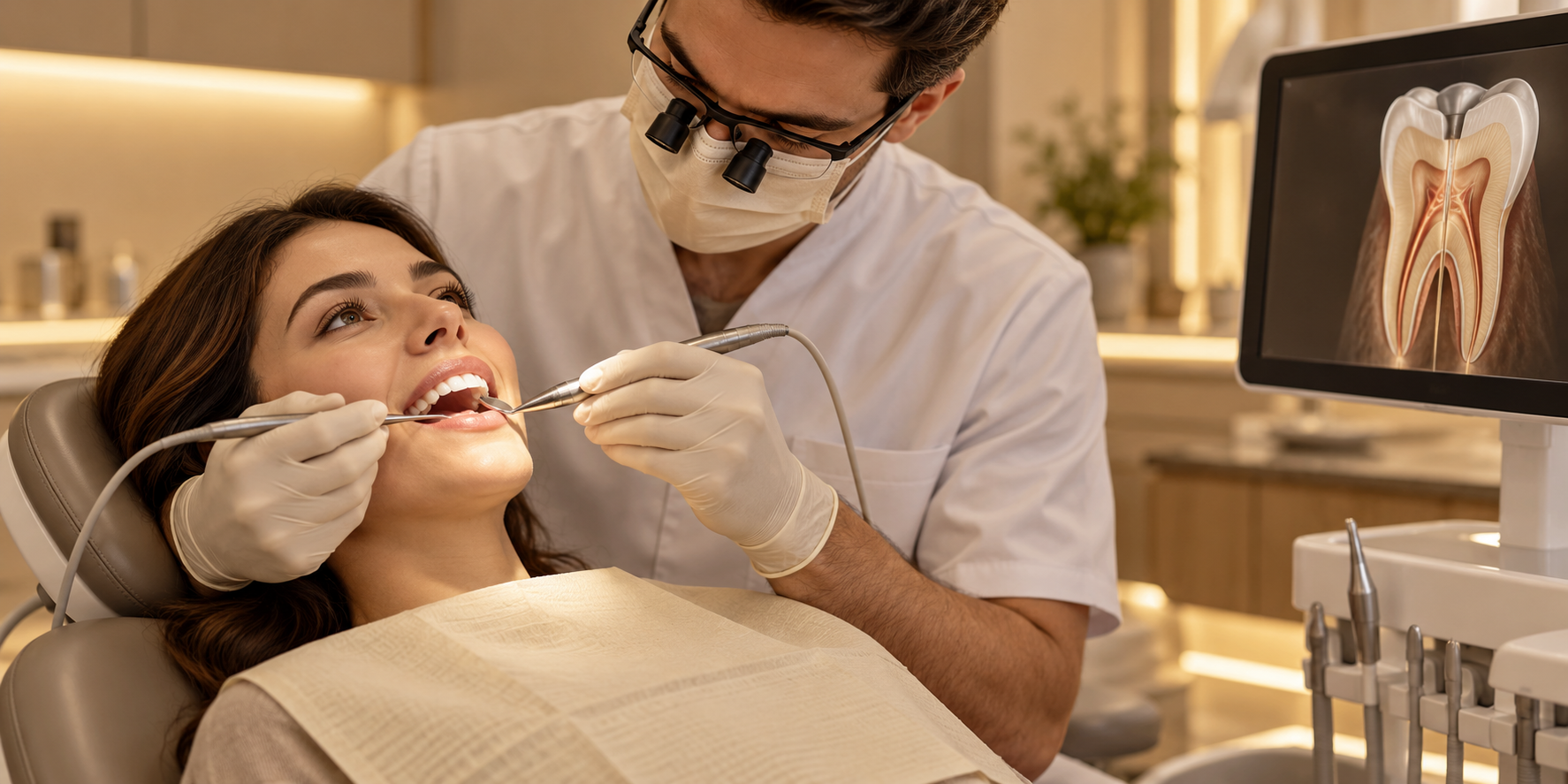
Root Canal Treatment
Demystifying one of dentistry's most misunderstood — and most tooth-saving — procedures.
Learn More arrow_forward
Seniors & Oral Health
The unique oral health considerations that come with age — and how to stay ahead of them.
Learn More arrow_forward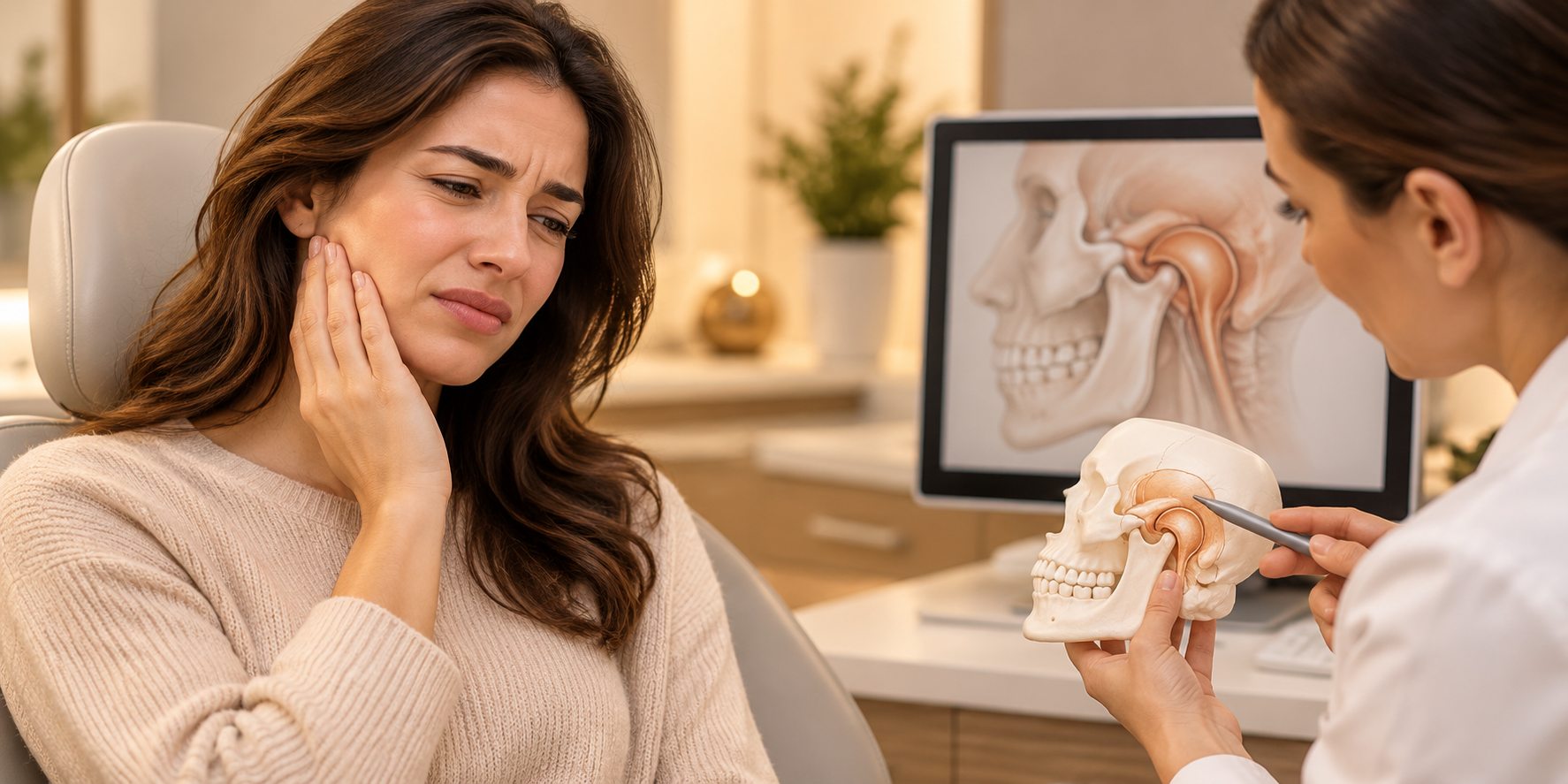
TMD (Temporomandibular Joint Disorder)
Understanding the jaw joint condition behind frequent headaches, clicking, or jaw pain.
Learn More arrow_forward