Root Canal Treatment
Root Canal Treatment
When the nerve of a tooth becomes infected, a successful root canal treatment lets you keep the tooth rather than having to pull it out. Keeping your tooth helps to prevent your other teeth from drifting out of line and causing jaw problems. Saving natural teeth helps avoid having to replace it with an artificial tooth.
The dentists at Lormel Gate Dentistry in Brampton offer root canal treatment. Root canal treatment, also known as endodontic treatment. Visit our Brampton, Bolton and Caledon offices today.
What is a root canal treatment?
Root canal treatment is also known as endodontic treatment; it's the process of removing infected, injured or dead pulp from your tooth. The space inside the hard layers of each tooth is called the root canal system. The system is filled with soft dental pulp made up of nerves and blood vessels that help your teeth grow and develop.
When bacteria (germs) enter a tooth through deep cavities, cracks or flawed fillings, a tooth can become abscessed. An abscessed tooth is a tooth with an infection in the pulp. If pulp becomes infected, it needs to be removed. An abscessed tooth might cause pain and or swelling. The dentist might notice the infection from a dental x-ray or from other changes with the tooth. If it is not treated, the abscessed tooth can cause serious oral health issues.
Who performs a Root Canal Treatment?
A dentist might do root canal treatment or refer you to an endodontist. Endodontists are dentists who have completed a university post-graduate specialty program in endodontics. Endodontics is a specialty of dentistry concerned with the treatment of the dental pulp or nerve of the tooth. If a child's primary (baby) tooth is damaged, the dentist might refer you to a pediatric dentist for this procedure. A pediatric dentist has at least 2 years of extra university training in treating children.
The steps of a Root Canal Treatment
Tooth Restoration After a Root Canal Treatment
After a root canal treatment, your requires restoring (fixing) to look, feel and work as much as natural tooth as possible. If an endodontist performed your root canal treatment, he or she will fill the opening of tooth with a temporary filling and send you back to your dentist or prosthodontist for tooth restoration.
A prosthodontist is a dental specialist who replaces and restores teeth using crowns, bridges, dentures and implants. Your dentist or specialist might use a permanent filling or a crown to restore your tooth. It often depends on the strength of the part of the tooth that's left to restore the tooth. A back tooth will likely need a crown because chewing puts a great deal of force on back teeth. If there is not enough of the tooth left, posts may be used to help support the crown.
Other Things to Note:
A root canal treatment can be done in 1 to 2 appointments. After a root canal treatment, your tooth might be tender for a week or two. Pain and swelling are not common, if this happens, call your dentist or endodontist.
You could still get cavities or suffer from gum disease after a root canal treatment. Root canal treatments do not protect your tooth from other types of damages. With proper care and regular dental visits, the tooth could last as long as your other teeth. Most of the time, a tooth that has had a root canal treatment can be saved.
Root Canal Retreatment
Often root canal treatments are successful. Sometimes though, a second root canal treatment is required. This is called retreatment. When retreating a tooth, the root canal filling material is taken out and the canal is cleaned again, reshaped and refilled.
Root Canal Surgery
Sometimes root canal surgery is needed when a regular root canal treatment cannot be done or when it has not worked. Surgery is done to check the end of the root for fractures or cracks, remove parts of the root that could not be cleaned during regular root canal treatment or clear up an infection that did not health after regular treatment.
Your Next Smile
Starts Right Here.
Reach out to our Brampton concierge team to schedule your visit — new patients, transfers, and CDCP coverage all welcome.
Explore Other Dental Education Concepts

Bonding & Veneers
Two proven, non-surgical ways to restore a complete, functional smile.
Learn More arrow_forward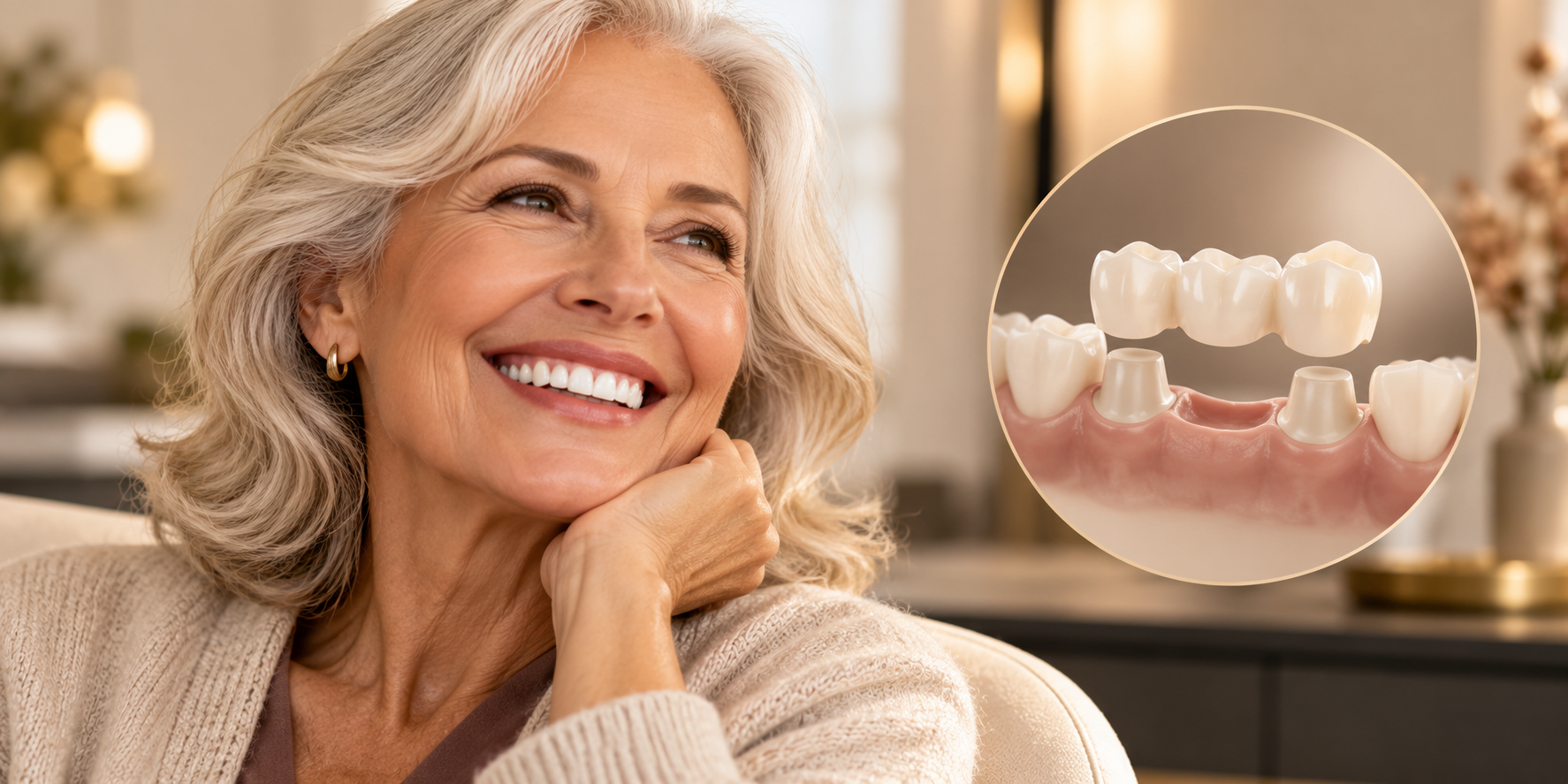
Bridges & Dentures Replacing Missing Teeth
Two proven, non-surgical ways to restore a complete, functional smile.
Learn More arrow_forward
Care After Minor Oral Surgery
What to expect — and how to recover comfortably — after an extraction or similar procedure.
Learn More arrow_forward
Caring for Your Teeth & Gums
The daily habits that keep your whole mouth healthy, not just your teeth.
Learn More arrow_forward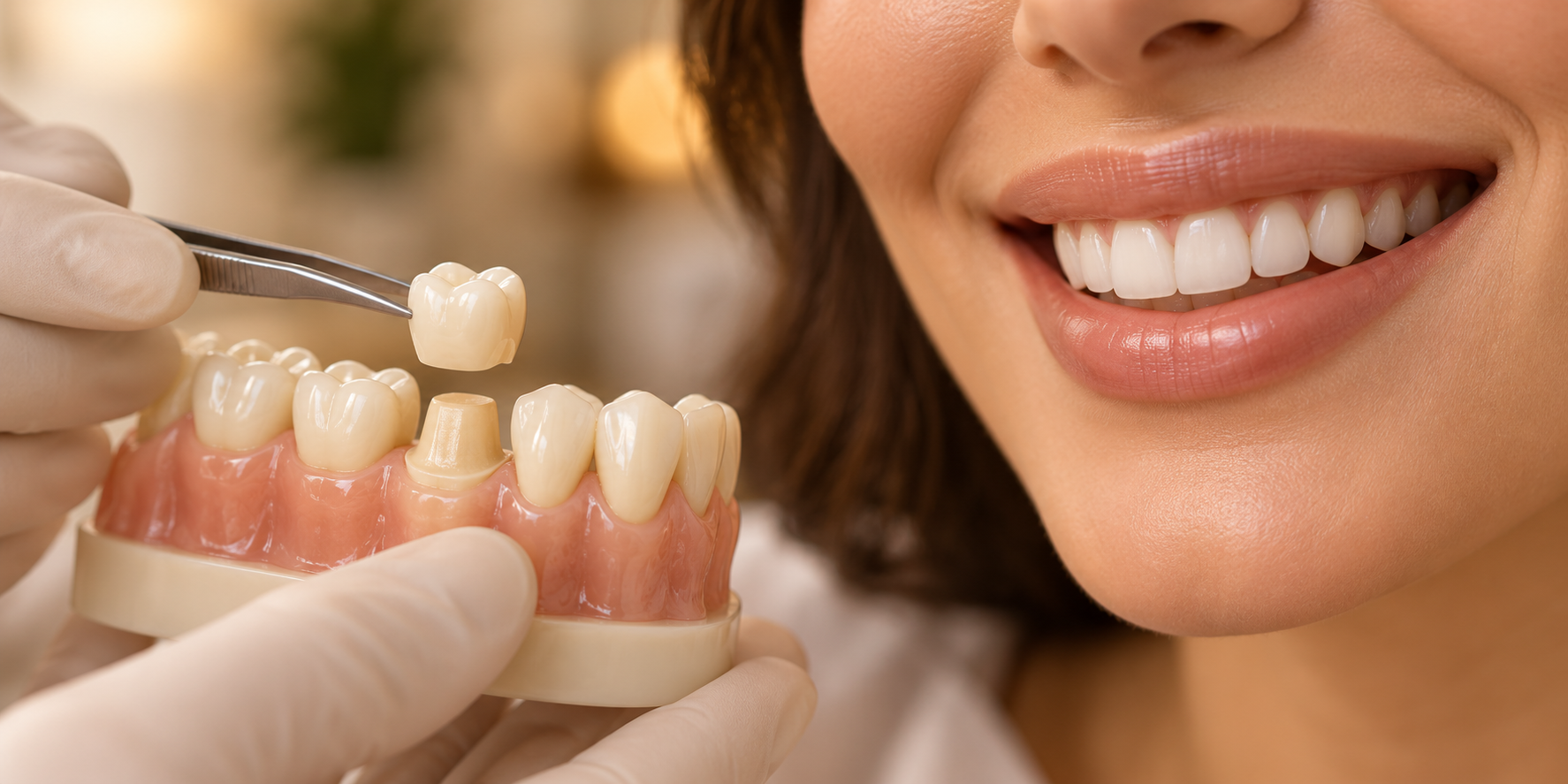
Crowns Restoring Damaged Teeth
How a custom cap brings a cracked, worn, or heavily filled tooth back to full strength.
Learn More arrow_forward
Dental Implants Replacing Missing Teeth
How a titanium root replacement gives you back a permanent, natural-feeling tooth.
Learn More arrow_forward
Dental Safety & Emergencies
Knowing what to do in the first few minutes of a dental emergency can save a tooth.
Learn More arrow_forward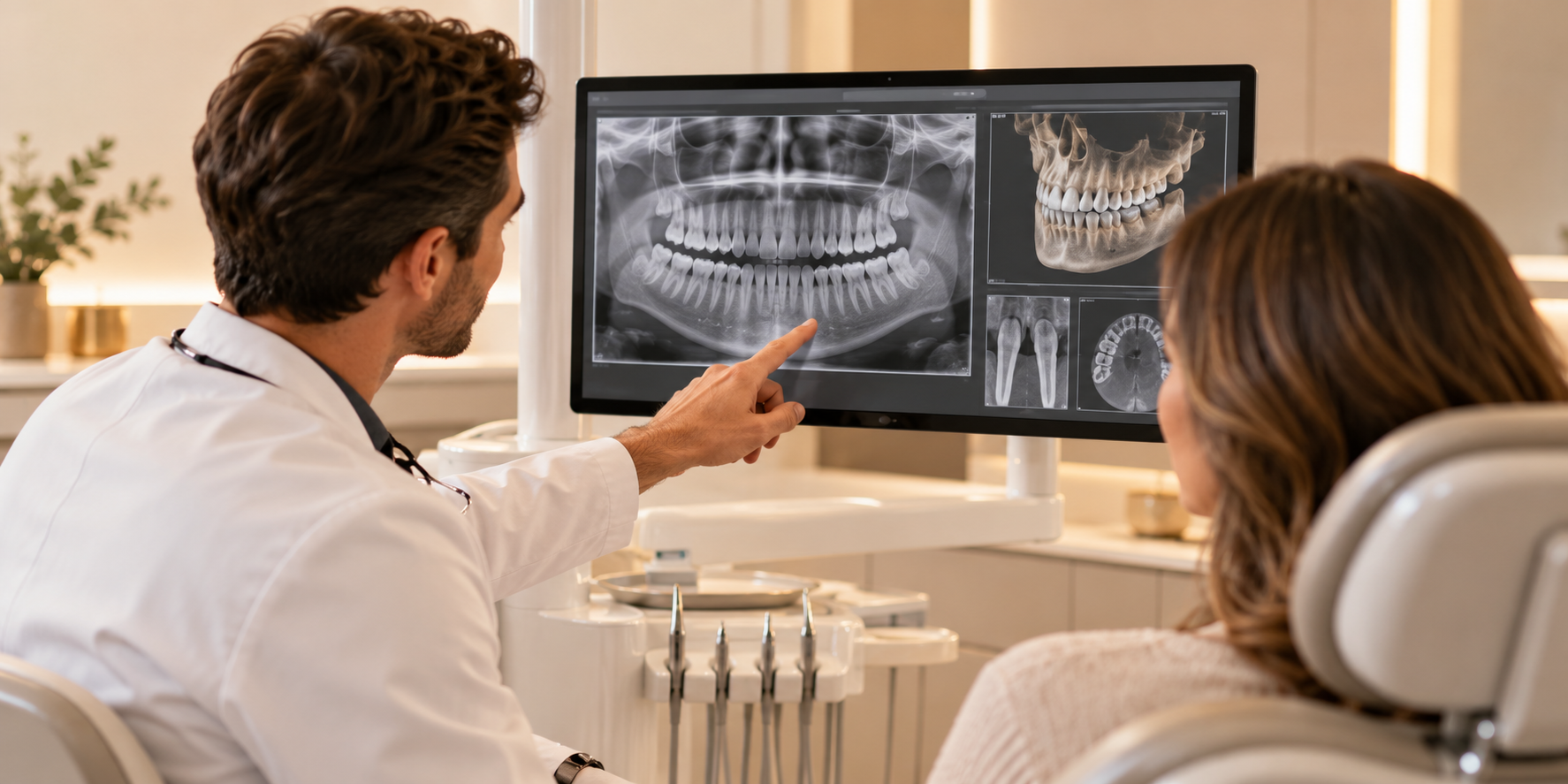
Good Dental X-rays
Why digital X-rays are a safe, essential tool for catching problems you can't see.
Learn More arrow_forward
Should I get a Dental Checkup?
Why a routine checkup matters even when nothing seems wrong.
Learn More arrow_forward
Food & Children's Oral Health
How everyday diet choices shape a child's long-term dental health.
Learn More arrow_forward
Gum Disease Preventing Tooth Loss
Catching gum disease early is the key to protecting the teeth it threatens.
Learn More arrow_forward
Hidden Threats to Your Oral Health
Everyday habits and conditions that quietly damage your teeth without obvious warning signs.
Learn More arrow_forward
Orthodontics at Any Age
Straightening your teeth isn't just for teens — adult orthodontics is more common, and more discreet, than ever.
Learn More arrow_forward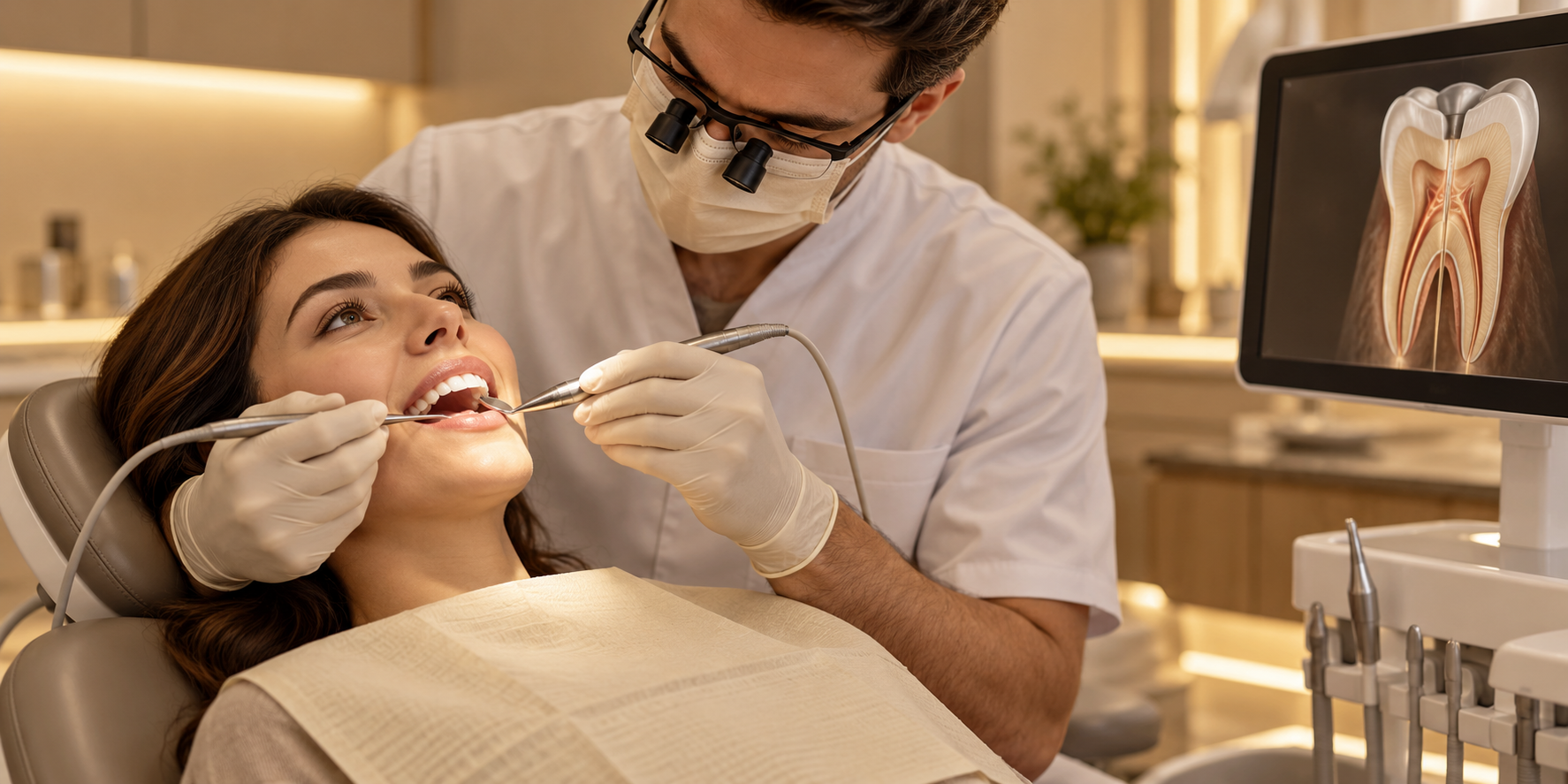
Root Canal Treatment
Demystifying one of dentistry's most misunderstood — and most tooth-saving — procedures.
Learn More arrow_forward
Seniors & Oral Health
The unique oral health considerations that come with age — and how to stay ahead of them.
Learn More arrow_forward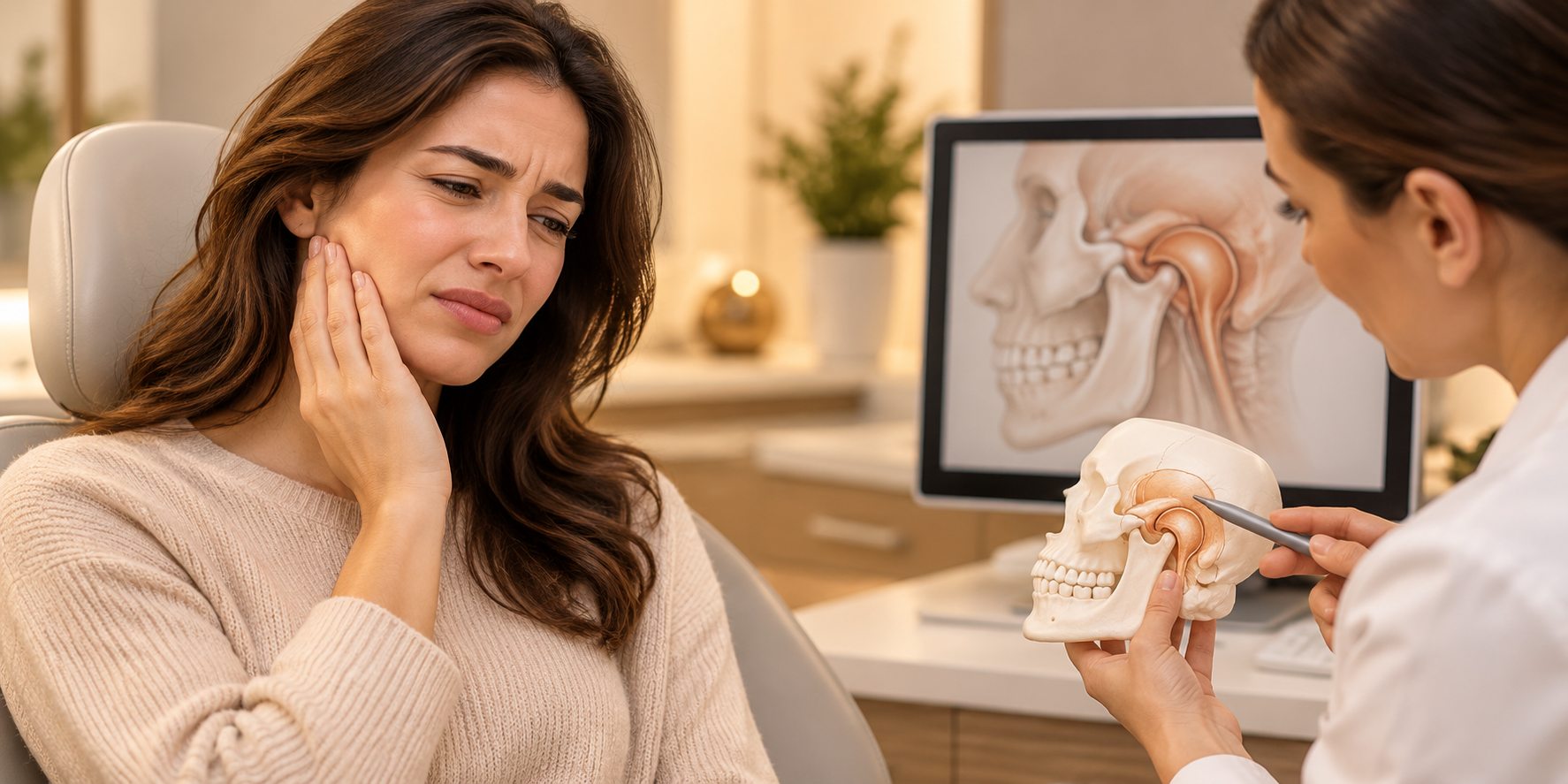
TMD (Temporomandibular Joint Disorder)
Understanding the jaw joint condition behind frequent headaches, clicking, or jaw pain.
Learn More arrow_forward